Seeking Alpha Reddit Verdict: Why Users Keep Paying (or Quit)
Quick answer
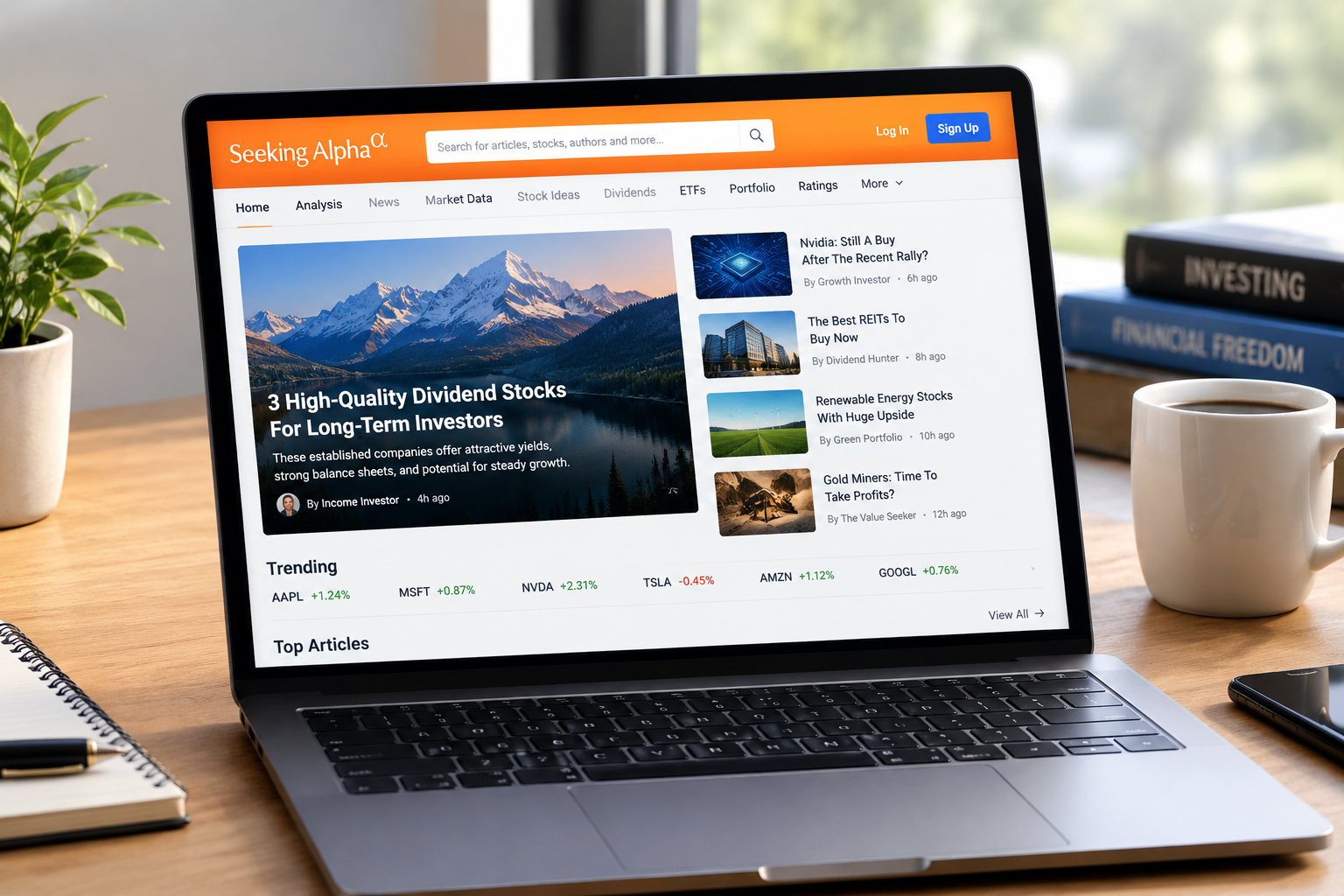
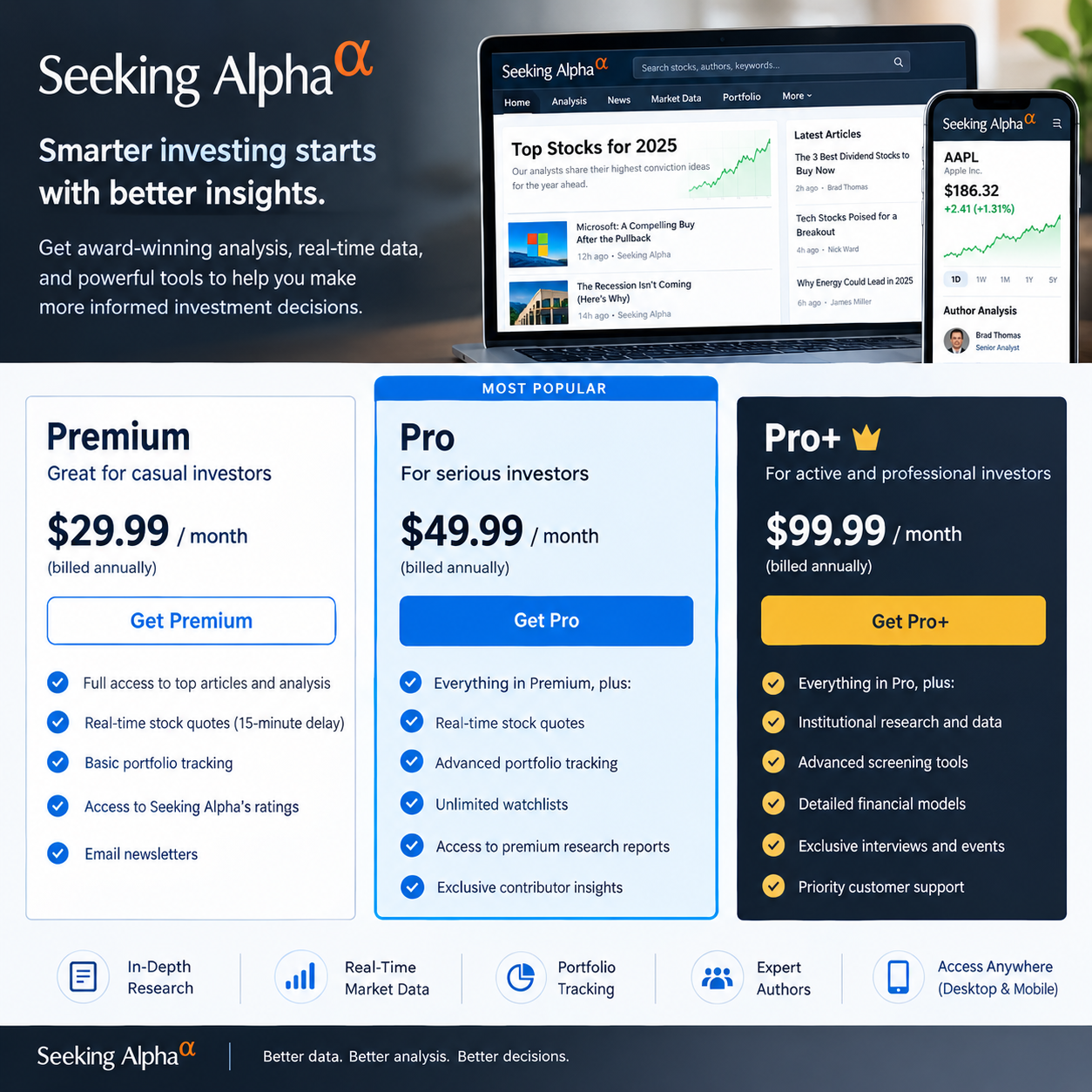
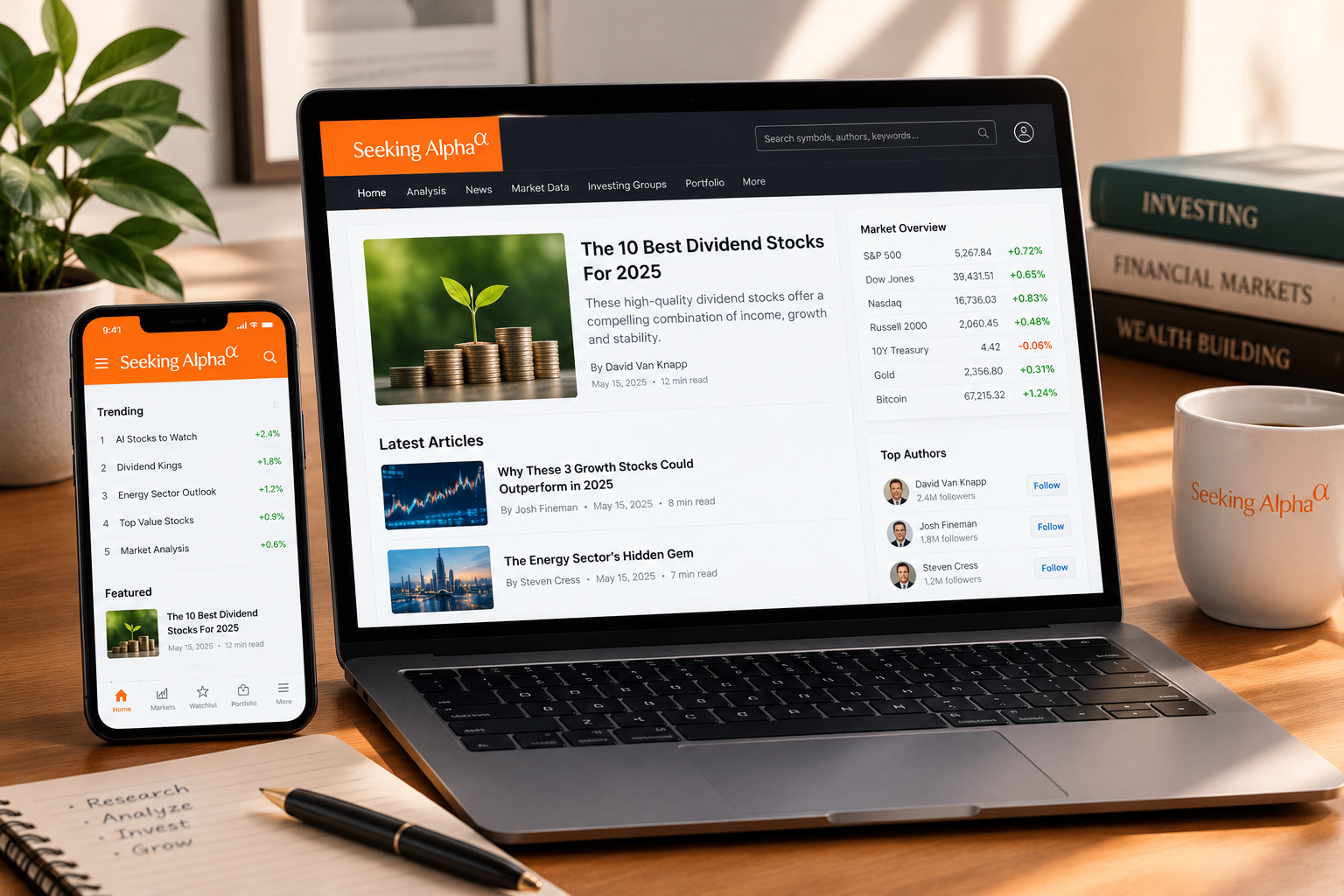
The Seeking Alpha Reddit verdict splits almost perfectly along one line: people who use it as a reading and research library tend to renew, and people who bought it expecting stock picks tend to cancel. Premium costs $4.95 for a new subscriber's first month and then renews at $299 a year plus tax, which is where most of the frustration in public threads originates. The platform's real product is thousands of contributor articles, Quant Ratings, Factor Grades, earnings call transcripts and a screener with 100+ filters. If you want somebody to tell you what to buy, that's Alpha Picks, and it's another $499 a year.
Seeking Alpha Reddit: key takeaways
Every point below comes from FullStack Alpha desk research on the pricing pages plus the patterns that repeat across Seeking Alpha Reddit threads.
- Premium is $4.95 for month one, then $299 per year. There's no advertised month-to-month plan, so the renewal arrives as a single annual charge.
- Pro starts at $99 for the first month and renews near the $2,149 to $2,400 per year range depending on the promo you signed up under. It's aimed at professional and high-asset investors, not a $5,000 account.
- Alpha Picks is a separate $499 per year product that delivers 2 model stock picks per month. Premium does not include it, and that surprises a lot of first-time subscribers.
- Factor Grades score five dimensions: valuation, growth, profitability, momentum and EPS revisions. Quant Ratings sit on top as a single buy/hold/sell output.
- The Premium screener carries 100+ filters, plus Dividend Grades and full earnings call transcripts.
- The most common cancellation trigger in Seeking Alpha Reddit discussion is the promo-to-list renewal, not the research quality. Second most common is contributor variance, since anyone approved can publish.
- A free Basic account still works for market monitoring and limited reading, which is why a chunk of users downgrade instead of leaving entirely.
What is the Seeking Alpha Reddit verdict in short?
The short version: Seeking Alpha is a research library with a rating engine bolted on, and it's priced like a subscription service that promises outcomes. That mismatch explains nearly every argument you'll find about it.
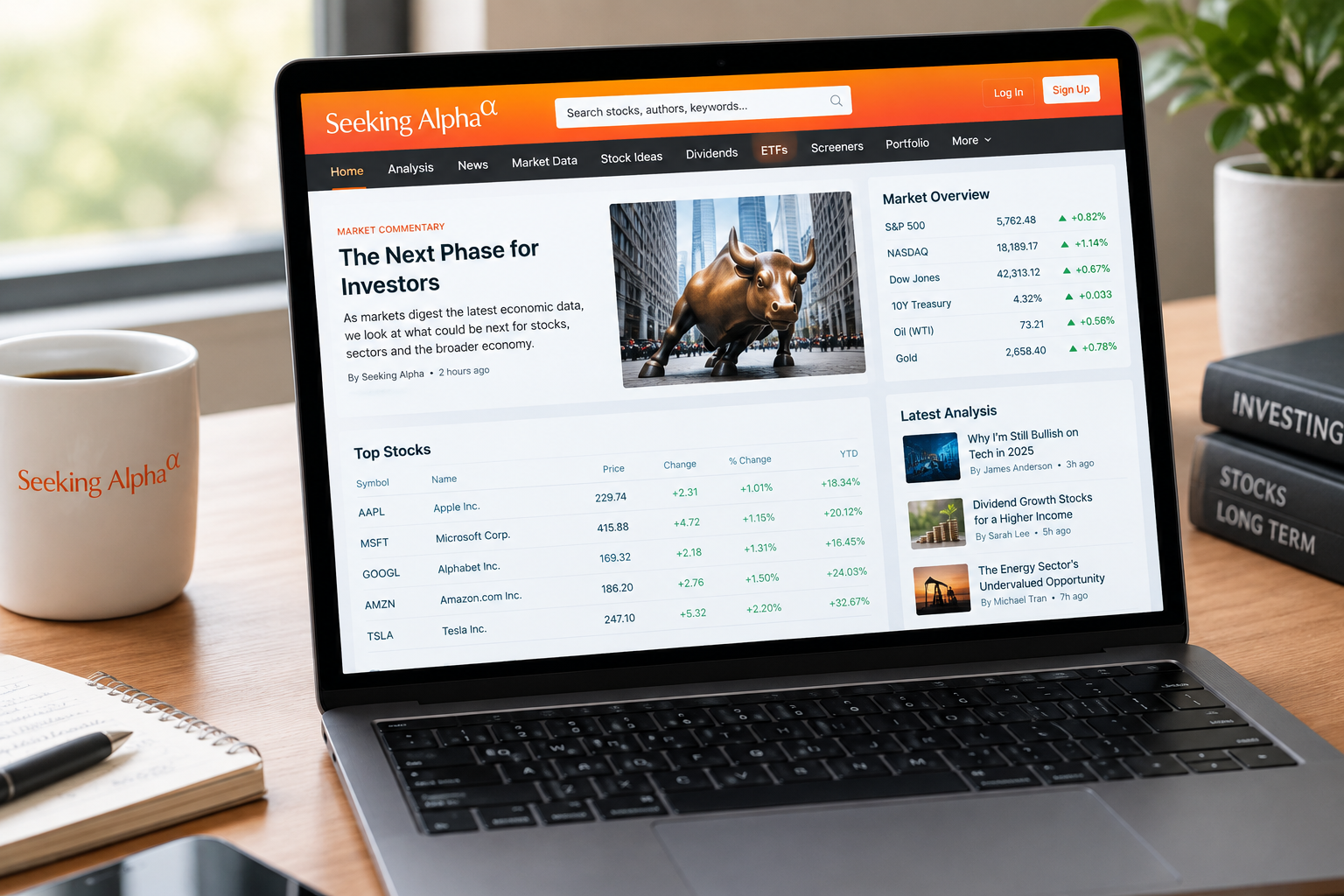
Read enough public discussion and three camps emerge. The first camp is long-term, dividend-focused position investors who treat the platform like a reference desk. They renew, year after year, because the bull-and-bear coverage on a single ticker saves them hours of hunting. The second camp arrived after seeing a "first month for $4.95" offer, expected a picking service, got a magazine, and canceled. The third camp keeps a free account, reads the headlines, and pays for nothing.
The market truth: Seeking Alpha sells research inputs, not decisions. Inputs are worth a lot if you already have a process. They're worth almost nothing if you don't.
The practical takeaway: before you pay, write down the last three stock decisions you made and what information would have changed them. If the answer is "a deeper read on the debt schedule and the bear case," Premium earns its keep. If the answer is "someone telling me the entry," you're shopping in the wrong aisle.
Why do Reddit users keep paying for Seeking Alpha Premium?
The renewal case in Seeking Alpha Reddit threads is rarely emotional. It reads like a list of features people open every week.
Subscribers who renew usually cite the same four things: article depth, the transcripts, the Quant screen, and the fact that opposing views on the same stock live in the same place.
The bull case and the bear case, side by side
Most research products give you one opinion with a confidence level. Seeking Alpha gives you a contributor arguing that a REIT is a generational value trap and, two days later, another contributor arguing the dividend is fully covered. Both articles include numbers. You get to referee.
That's genuinely useful for anyone who has ever fallen in love with a thesis. Reading a competent bear on a name you own is cheaper than finding out the hard way. Call it a stress test you can run before earnings season instead of during it.
Transcripts without the scavenger hunt
Earnings call transcripts come with Premium. For an investor who actually reads management commentary, having transcripts in the same tab as the ratings and the article archive removes real friction. You can read what the CFO said about margins in Q2, then read two contributors disagree about whether that guidance is credible.
Quant Ratings and Factor Grades as a filter, not a verdict
Factor Grades letter-grade five things: valuation, growth, profitability, momentum and EPS revisions. EPS revisions means how analysts have been changing their earnings estimates lately, which matters because estimate direction often leads price. Quant Ratings condense those factors into one rating.
Subscribers who like this use it as a screen-out tool. Bad grades on profitability and revisions, move on. That's a sane use of a score. The people who blow up with it are the ones treating a "Strong Buy" as a green light with no position sizing behind it.
The screener with 100+ filters
For a fundamentals-driven investor, the Premium screener plus Dividend Grades is the workhorse. You can build a dividend-safety screen, a value screen, or a revisions-momentum screen and save it. It's not a real-time scanner for intraday setups and it isn't pretending to be.
What keeps people paying is coverage breadth. Small caps, obscure REITs, preferred shares, closed-end funds, foreign listings. Names where mainstream coverage thins out are exactly where the contributor model shines, because someone out there is obsessed with that one ticker and has written 4,000 words about it.
Why do Reddit users cancel Seeking Alpha?
Read the cancellation posts in Seeking Alpha Reddit discussions closely and the research itself rarely takes the blame.
Cancellations cluster around price mechanics and quality variance, in that order. Almost nobody quits because the site is missing a feature.
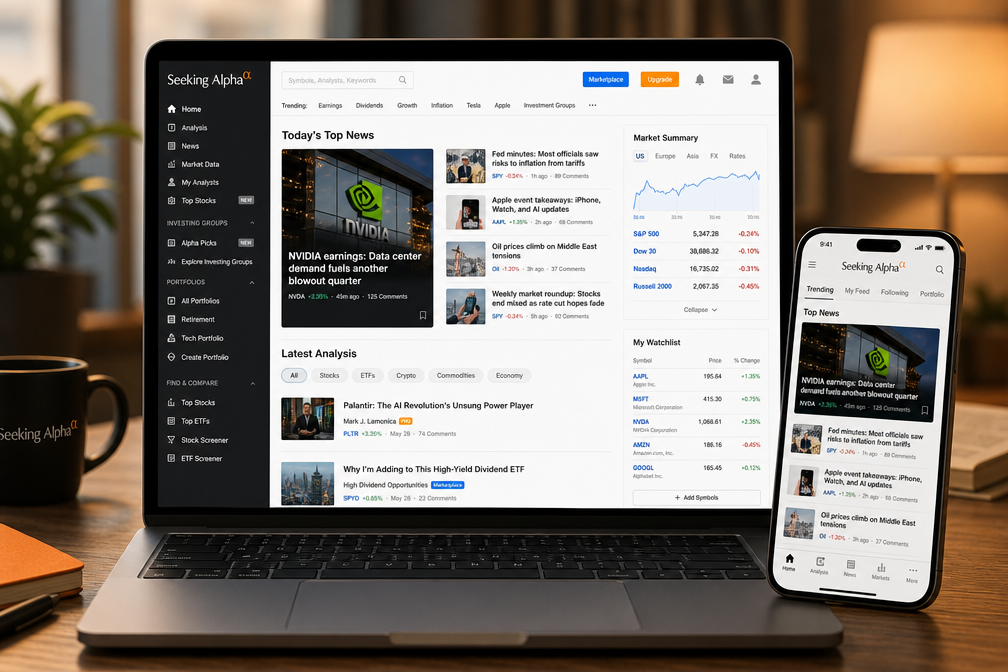
The renewal is the number one complaint
You pay $4.95. You feel clever. Eleven months later the card gets hit for $299 plus tax, and there's no advertised monthly plan to soften the landing. That's the single most repeated grievance in Seeking Alpha Reddit threads, and it's a self-inflicted wound on the vendor's part. The product is defensible at $299 for the right user. Discounting to $4.95 trains people to value it at $4.95.
The fix on your end is boring and effective: the day you subscribe, set a calendar reminder for 11 months out titled "decide on Seeking Alpha." Most renewal rage is a memory problem wearing a pricing costume.
Contributor quality is a range, not a standard
Anyone approved to contribute can publish. That means you get retired portfolio managers with 30 years of sector experience and you get people who discovered a dividend screener last Tuesday. The platform tags and ranks authors, but the reader still does the sorting.
For newer investors this is a real cost. If you can't yet tell a well-constructed thesis from a confident one, a crowd-sourced library can feed analysis paralysis instead of clearing it. Ten articles, ten frameworks, zero decisions.
The mitigation: pick five to eight contributors in your specific corner of the market, follow only them, and ignore the firehose. Treat the rest of the site as search, not as a feed.
Alpha Picks costs extra, and people assume it doesn't
Premium buys research. Alpha Picks buys 2 model picks a month and costs $499 a year on its own. Discovering that after paying for Premium feels like a bait, even when the pricing page is clear. Stack both and you're at roughly $798 a year at list. That's real money for a $10,000 account, and it's the point where the math stops working for most retail investors.
The paywall on formerly free content
Long-time users recall a more open Seeking Alpha. Article limits on the free tier feel like a downgrade to anyone who built a reading habit before the wall went up. Fair complaint, but also the standard trajectory of every content business that stopped selling ads and started selling subscriptions.
Push notifications and email volume
A smaller but persistent gripe: the platform is enthusiastic about emailing you. Turn off what you don't need in settings on day one, or the noise you're paying to reduce will arrive in your inbox with a subject line.
Which Reddit complaints matter for day traders, swing traders, and long-term investors?
A Seeking Alpha Reddit complaint only matters if it touches the way you actually trade.
The same complaint has a different weight depending on your holding period. Here's how to triage.
Day traders: almost all of them matter, because the product isn't built for you
Seeking Alpha has no real-time scanner, no Level 2, no intraday alerting worth trading off. Quant Ratings update on fundamental and estimate data, not on the tape. If your holding period is measured in minutes, a $299 research subscription is a rounding error of relevance.
A day trader's complaint list writes itself: latency, no scanning, no options flow, no charting depth. All true, and none of it is a flaw in the product so much as a mismatch in the purchase. Look at the tools built for that job in our AI day trading tools guide instead.
Decision rule: if you close most positions the same day, skip Premium entirely and use the free tier for earnings dates and transcripts.
Swing traders: momentum and revisions grades help, the rest is overkill
If you hold days to weeks, the useful slice is narrow but real. The momentum and EPS revisions Factor Grades give you a fundamental tailwind check on a technical setup. Knowing estimates are being revised up before you take a breakout adds context that price alone won't give you.
What doesn't help: 6,000-word articles on a utility's 2031 rate case. You'll pay for a library and use a shelf. Whether that's worth $299 depends on how many of your setups are earnings-adjacent. If you're building a repeatable process around them, the AI swing trading tools guide is the better starting point.
Long-term investors: the complaints get small and the value gets large
Hold for years and the contributor variance problem shrinks, because you have time to read three views and check the filings yourself. The renewal price amortizes across dozens of decisions. Transcripts, Dividend Grades and bear cases are exactly the inputs a position investor needs.
Edge case worth naming: the dividend investor with 30 or more holdings. That's the profile where Premium most clearly pays for itself, because the coverage depth on income names, preferreds and closed-end funds is hard to replicate elsewhere at any price.
Seeking Alpha Reddit sentiment: reason to stay vs reason to quit
This table sorts the most repeated Seeking Alpha Reddit themes by direction, frequency and the investor profile they hit hardest.
| Reason | Stay or quit | How often it shows up | Who it affects most |
|---|---|---|---|
| Bull and bear coverage on the same ticker | Stay | Very common | Long-term and dividend investors |
| $299 annual renewal after a $4.95 first month | Quit | Very common | Anyone who forgot the promo end date |
| Earnings call transcripts included | Stay | Common | Fundamental investors, swing traders around earnings |
| Contributor quality varies widely | Quit | Very common | Beginners without a filtering process |
| Factor Grades across 5 factors and Quant Ratings | Stay | Common | Screen-first investors, dividend hunters |
| Alpha Picks costs $499 extra on top of Premium | Quit | Common | Subscribers expecting picks with Premium |
| Screener with 100+ filters and Dividend Grades | Stay | Common | Income and value investors |
| No real-time scanning, alerts or options flow | Quit | Common | Day traders and intraday scalpers |
| Coverage of small caps and obscure tickers | Stay | Occasional but strongly held | Micro-cap and niche-asset investors |
| Free-tier article limits and email volume | Quit | Occasional | Casual readers and long-time free users |
| Pro tier at roughly $2,149 to $2,400 a year | Quit | Occasional | Retail accounts under six figures |
Top 5 features the Seeking Alpha Reddit crowd values most
Ranked by how often subscribers name them as the reason they renew.
1. The contributor archive with opposing theses. Thousands of long-form articles, frequently a bull case and a bear case on the same stock. This is the product. Everything else is supporting cast. The value is highest on names Wall Street mostly ignores.
2. Earnings call transcripts. Included with Premium and searchable. If your process involves reading management commentary rather than reading a headline about management commentary, this alone covers a meaningful share of the subscription.
3. Quant Ratings and Factor Grades. Five factors: valuation, growth, profitability, momentum, EPS revisions. Best used to eliminate candidates fast, not to select them. A strong grade is a reason to do more work, not a reason to skip the work.
4. The Premium screener, 100+ filters. Saveable screens across fundamentals, dividends and estimate revisions. Slower and less flexible than a dedicated terminal, deep enough for a buy-and-hold workflow.
5. Dividend Grades. Grades on dividend safety, growth, yield and consistency. For income investors, this is the second-most-cited feature after the articles, and it's the clearest reason a retiree-profile subscriber renews without hesitating.
Pros and cons, straight
✅ What we love
- Depth of written analysis, with bull and bear cases living on the same ticker page
- Factor Grades across valuation, growth, profitability, momentum and EPS revisions
- Earnings call transcripts and Dividend Grades bundled into Premium
- Coverage extends to small caps, REITs, preferreds and closed-end funds where other research thins out
- Screener with 100+ filters and saved screens
- A functional free Basic tier for monitoring, so you can test the waters before paying
- First-month promos at $4.95 make evaluation genuinely cheap
❌ What could be better
- Contributor quality is uneven, so you carry the sorting burden
- Alpha Picks at $499 a year is a separate purchase, which surprises people who expected picks with Premium
- No advertised monthly Premium plan, so the renewal arrives as one $299 hit
- Promo pricing renews at full list, which is the root of most cancellation anger
- No real-time scanning or intraday alerting, making it a poor fit for day trading
- Email and notification volume needs manual pruning on day one
- Pro at roughly $2,149 to $2,400 a year is hard to justify outside professional use
Where do Seeking Alpha Reddit switchers go instead?
Four destinations come up again and again in Seeking Alpha Reddit switch threads: TipRanks, Motley Fool Stock Advisor, Zacks and Koyfin.
Most people who cancel don't leave research entirely. They move toward whichever half of Seeking Alpha they actually used: the ratings half or the reading half. Here's where they land and who each destination genuinely suits.
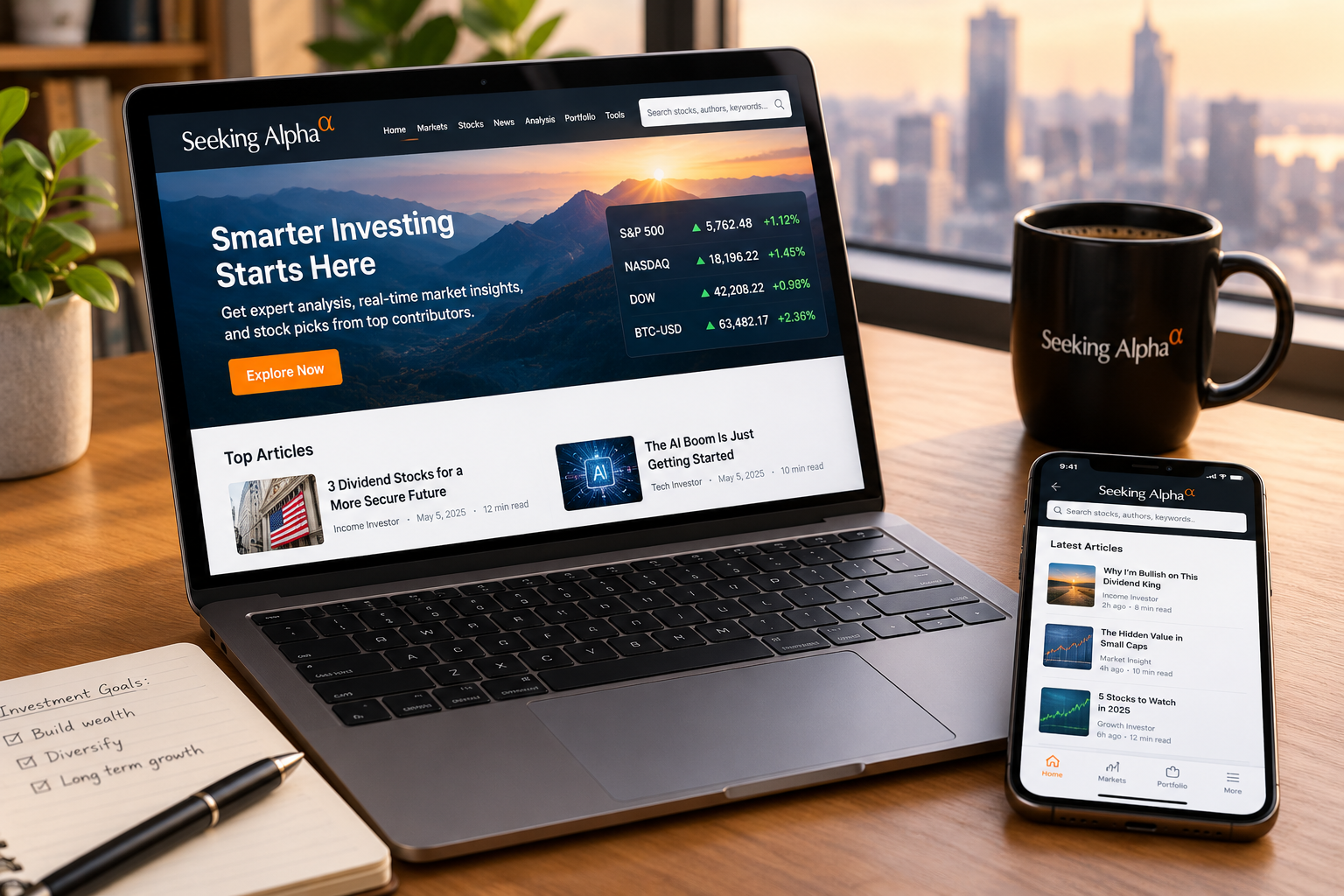
TipRanks
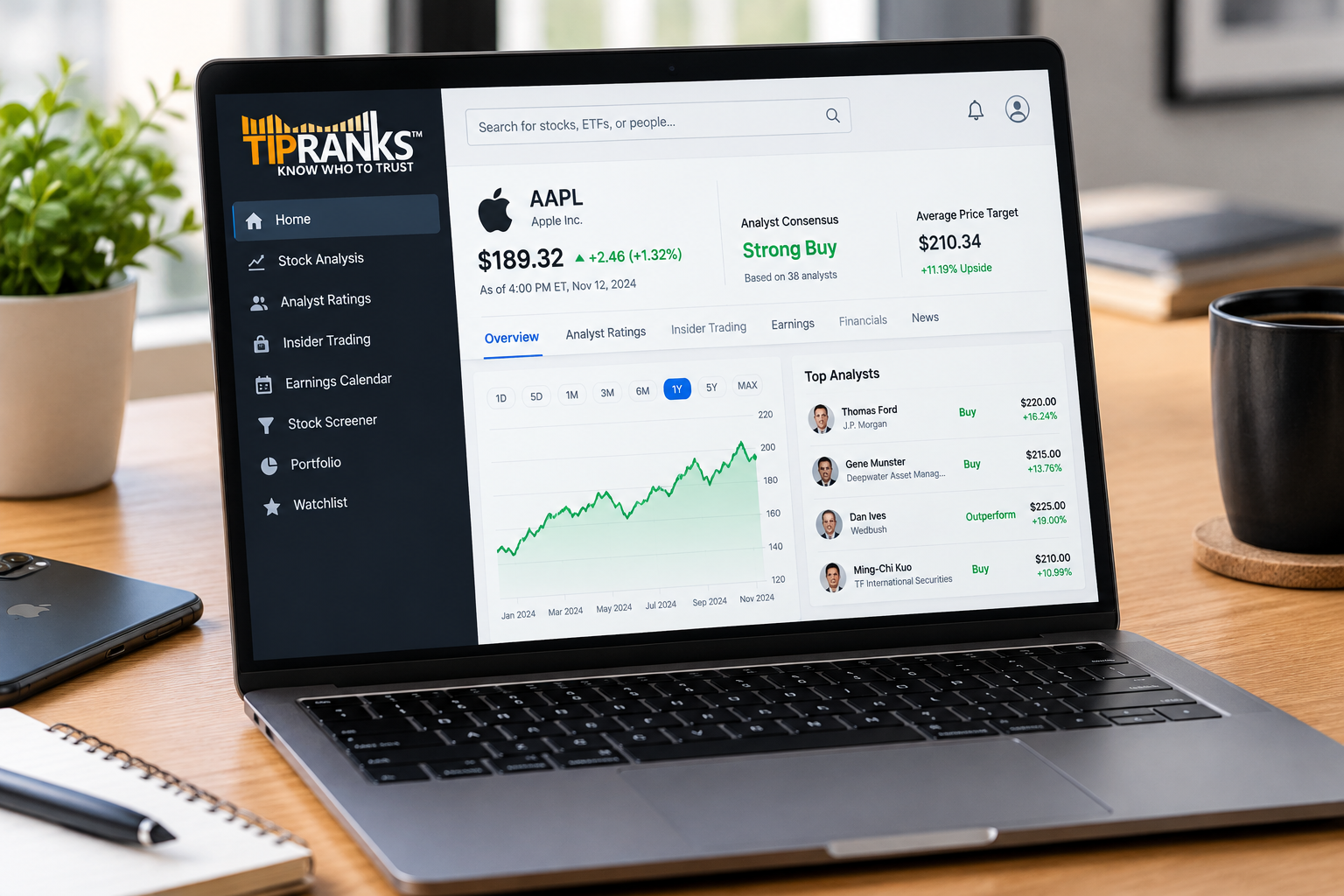
Aggregates analyst ratings, price targets, insider transactions and hedge fund activity, and scores the analysts themselves on past accuracy. Switchers who go here wanted the score, not the essay. It's faster to consume and lighter on reading.
Suits: investors who want consensus data and analyst track records at a glance. Poor fit: anyone who wants to understand the reasoning behind a position, because the depth simply isn't comparable.
Motley Fool Stock Advisor
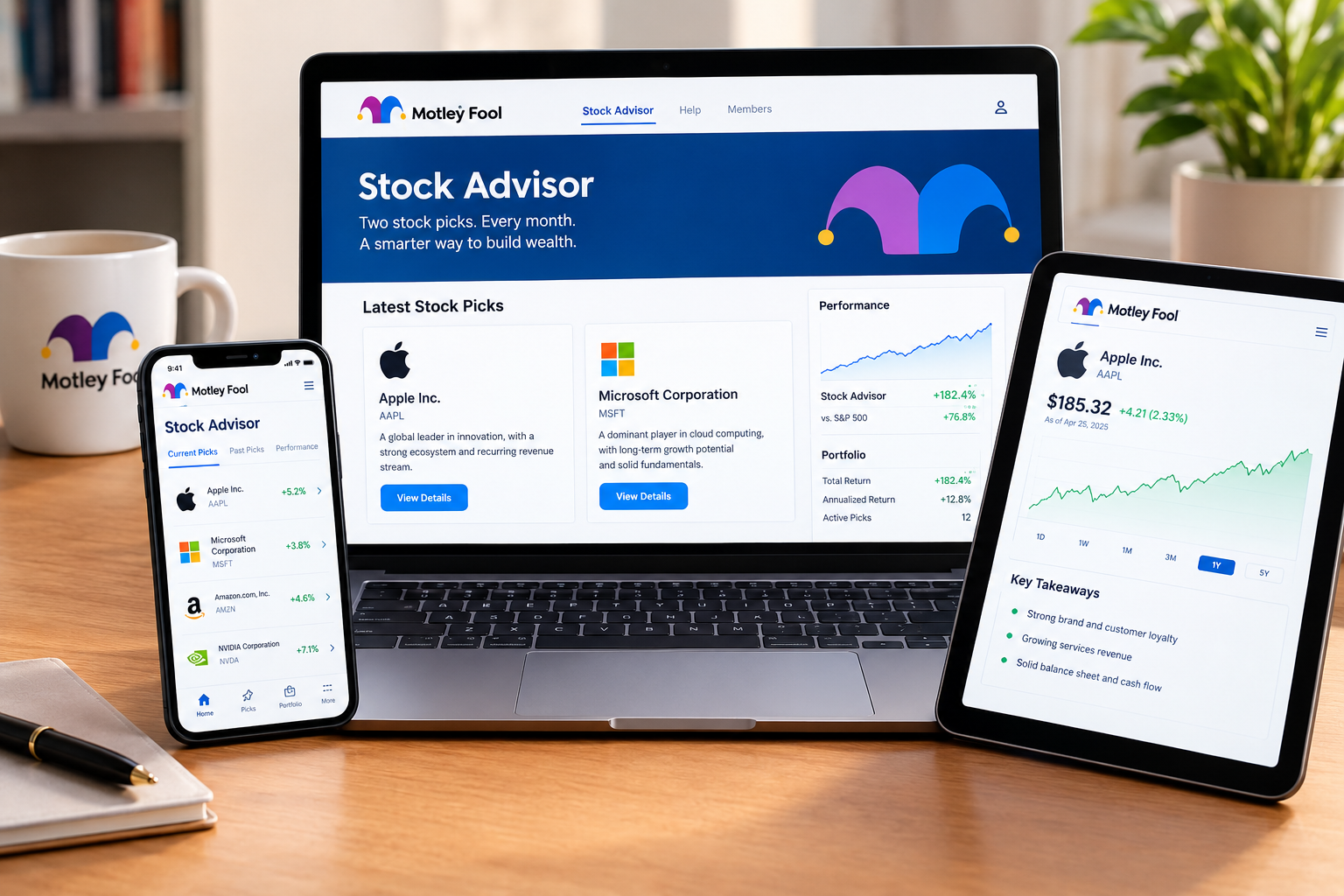
A subscription pick service with two recommendations a month and a long public marketing record. People switch here when the honest answer to "what do I want?" is "tell me what to buy." Our full breakdown lives in the Motley Fool Stock Advisor review, and the head-to-head is in Seeking Alpha vs Motley Fool.
Suits: hands-off long-term investors who want a curated list and will actually hold for years. Poor fit: investors who want to research independently, or anyone sensitive to introductory pricing that renews higher, since that pattern shows up here too.
Zacks
Built around the Zacks Rank, which is driven heavily by earnings estimate revisions. If the EPS revisions factor was the piece of Seeking Alpha you leaned on, Zacks is the specialist version of that idea.
Suits: investors who trade around estimate momentum and earnings surprises. Poor fit: deep-value or income investors, because a revisions-led ranking will systematically look past cheap, slow-growing, high-yield names.
Koyfin
Charting, financial data, dashboards and company comparison tools. This is the destination for people who wanted the data layer without the opinions. Free tier is usable, paid tiers add depth. See the Koyfin review and the Koyfin vs Stock Rover comparison if data visualization is your priority.
Suits: analytical investors building their own models and dashboards who want clean data fast. Poor fit: investors who want written theses or a rating to react to, since Koyfin hands you numbers and expects you to have a view.
The pattern in every switch: people leave Seeking Alpha when they figure out which single job they were hiring it for. Wanting a rating, an essay, a pick, or a chart are four different jobs, and one $299 subscription is a compromise across all four.
How do you get the best deal on Seeking Alpha Premium?
The cheapest lesson in Seeking Alpha Reddit billing threads: decide before the renewal date, not after it.
Start on the free Basic tier, then take the $4.95 first-month Premium offer and treat that month as a real evaluation with a deadline.
A practical sequence:
- Run a free account for two weeks. Build a watchlist, see which tickers you actually check, note how often you hit the paywall. If you never hit it, stop here and save $299.
- Take the $4.95 first month if you're a new subscriber. Thirty days is enough to read four or five full theses on names you own.
- On day one of Premium, prune notifications and follow no more than eight contributors covering your sectors.
- Set a decision date before the annual charge. The renewal is $299 plus applicable taxes and VAT, and there's no advertised monthly option to fall back on.
- Test the screener against a real question, not a hypothetical one. Something like "which of my holdings has the weakest dividend safety grade." If the answer changes a position, the tool is working.
- Skip Alpha Picks for now. At $499 a year for 2 picks a month, it's a separate decision, and you can't evaluate it fairly while you're still learning the research side.
- Check group pricing if you qualify. Group rates exist for organizations with 10 or more employees, priced on request. Investment clubs and small advisory shops overlook this constantly.
- Ignore Pro unless you're managing other people's money. At the $2,149 to $2,400 a year range, the retention offers and Pro-only content need to translate into billable value, not curiosity.
Common mistake: subscribing during a promo in December and forgetting the annual charge lands the following December, when you're distracted by tax-loss harvesting. Calendar reminder. Eleven months. Done.
The Alpha Score breakdown
Community Verdict is the pillar where Seeking Alpha Reddit sentiment carries the most weight, and it is the lowest of the five.
Seeking Alpha scores 75 out of 100 across five pillars, 20 points each.
| Pillar | Score |
|---|---|
| Signal Quality | 15 / 20 |
| Transparency | 16 / 20 |
| Price-to-Value | 15 / 20 |
| Usability | 15 / 20 |
| Community Verdict | 14 / 20 |
The score comes from FullStack Alpha desk research plus public user sentiment, and the pillar split is provisional. The full scoring lives on the Seeking Alpha review page. How we score.
What drives each pillar:
- Signal quality rests on Quant Ratings and Factor Grades, which are fundamental and estimate-driven. They update on data releases, not on the tape, so they're useful for position sizing and candidate elimination, useless for intraday timing.
- Transparency is a relative strength. Factor Grades show the five components behind the rating rather than hiding behind "proprietary model," and contributor articles carry disclosure of positions.
- Price-to-value is the contested pillar. $299 a year against a free Basic tier and free filings on SEC EDGAR means the paid version has to earn its money on convenience, transcripts and opposing analysis. For a 30-holding dividend portfolio, it does. For a five-holding index-plus portfolio, it doesn't.
- Usability is fine and unremarkable. The site is readable, search works, and time-to-first-useful-output is short. The email and notification defaults are aggressive.
- Community verdict is split by design, and the split is the finding. Solicited review channels skew positive on research depth. Unsolicited discussion skews negative on billing and renewal mechanics. Both are describing the same product accurately.
Comparing Seeking Alpha with other research tools? Browse the FullStack Alpha directory and filter 200+ tools by category, price and what they actually do.
Seeking Alpha Reddit FAQ
These are the questions that surface most in Seeking Alpha Reddit discussions, answered straight.
Is Seeking Alpha Premium worth $299 a year for a long-term investor?
For an investor holding 15 or more individual positions who reads before buying, yes. The transcripts, Dividend Grades and opposing theses replace hours of hunting. For a portfolio of three index funds, no.
Does Seeking Alpha Premium include Alpha Picks?
No. Alpha Picks is a separate product at $499 a year that delivers 2 model stock picks per month. Premium gives you research, ratings, transcripts and the screener, not picks.
What happens after the $4.95 first month on Seeking Alpha Premium?
It renews at $299 per year plus applicable taxes and VAT. There's no standard month-to-month Premium plan advertised, so plan for an annual charge rather than a monthly one.
Are Seeking Alpha Quant Ratings reliable enough to buy from?
Treat them as a filter, not an instruction. Quant Ratings aggregate valuation, growth, profitability, momentum and EPS revisions. Use a strong rating to start research and a weak one to stop it, and never skip position sizing because a score looked good.
Is Seeking Alpha good for day trading?
No. There's no real-time scanner, no Level 2 and no intraday alerting worth trading on. Fundamental ratings and long-form articles don't help a position you'll close in 20 minutes.
Can you use Seeking Alpha effectively for free?
Partly. A free Basic account handles market and portfolio monitoring plus limited article access. Ratings detail, Factor Grades, transcripts and the full screener sit behind Premium.
How do you cancel Seeking Alpha and avoid an unwanted renewal?
Cancel in your account subscription settings before the annual renewal date, and set a personal reminder roughly 11 months after signup. Billing complaints in public threads almost always trace back to a forgotten promo end date.
Who is Seeking Alpha Pro actually for?
Professional and high-asset investors. At roughly $2,149 to $2,400 a year after a $99 first month, the cost only makes sense if the research feeds decisions large enough to justify it. Retail accounts under six figures should stay on Premium.
What is the Seeking Alpha Reddit consensus on Premium?
Research-first investors tend to renew and pick-seekers tend to cancel. The split tracks what people bought it for, not the quality of the research.
Why does Seeking Alpha Reddit sentiment look so negative?
Unsolicited threads skew toward billing complaints, mostly the jump from a $4.95 first month to $299 a year. Solicited reviews skew positive on research depth, and both describe the same product.
Should you trust Seeking Alpha Reddit feedback before subscribing?
Use it for patterns, not verdicts. Repeated complaints about renewal timing and contributor variance are real signals. Then test the free Basic tier yourself before paying.
What is the Seeking Alpha controversy?
Most public criticism is about billing, not research. The $4.95 first month renews at $299 a year with no advertised monthly plan, and contributor quality varies because anyone approved can publish.
How reputable is Seeking Alpha?
It is a widely used research platform, and its Factor Grades show the five components behind each Quant Rating instead of hiding behind a black box. Article quality depends on the author, so follow a short list of contributors in your sectors and treat the rest as search.
Is there anything better than Seeking Alpha?
It depends on the job you are hiring it for. TipRanks is faster for analyst consensus, Motley Fool Stock Advisor suits people who want picks, Zacks specializes in estimate revisions, and Koyfin is stronger for data and dashboards.
How much does Seeking Alpha cost a year?
Premium lists at $299 a year after a $4.95 first month for new subscribers. Alpha Picks is a separate $499 a year, and Pro starts around $2,149 a year.
Final Seeking Alpha Reddit verdict by trader type
The Seeking Alpha Reddit verdict comes down to one question: are you buying research or buying picks?
Long-term and dividend investors: subscribe. This is the intended user and the value is legible. Bull and bear coverage on the same ticker, transcripts, Dividend Grades and a 100+ filter screener for $299 a year is defensible if you hold real positions and read before you buy. Set the renewal reminder and follow eight contributors, not eight hundred.
Swing traders: take the $4.95 month, then decide. The momentum and EPS revisions grades add fundamental context to a technical setup, especially around earnings. Whether that context is worth $299 depends on how much of your process touches earnings. Test it for 30 days against live setups before committing to a year.
Day traders: skip it. No scanning, no intraday alerts, no flow. Use a free Basic account for earnings dates and transcripts and put your subscription budget where the speed lives.
Anyone who wants to be told what to buy: don't buy Premium. You'll pay $299 for a library you won't read and then pay $499 more for the picks you actually wanted. Decide which product you want first, then buy exactly that one.
Beginners with accounts under $5,000: not yet. Crowd-sourced research with variable quality is a heavy tool for someone who hasn't built a filtering process. Start with the free tier and free filings, write your rules down, then pay for depth once you know what depth to ask for.
Your next step: open the free Basic account today, track how many times you hit the paywall over the next 14 days, and only take the $4.95 offer if that number is above five. Fewer tabs, one process, a deadline on the calendar. Cut the noise, keep the alpha.
One tool, scored five ways. There are 200+ more in the FullStack Alpha directory, filterable by category, price and what they actually do.
Browse the directory → aistockpickerapps.com
Related reading: the full Seeking Alpha deep dive and the AI stock screeners guide.
Some links on this page are affiliate links, which may earn us a commission at no extra cost to you.
We test the tools. You get the verdict.
One email a week. What we tested, what scored, and what we'd skip. Written for traders, not for clicks.
More from FullStack Alpha