Motley Fool Stock Advisor's 10 Best Stocks: Reddit's Verdict
Quick answer
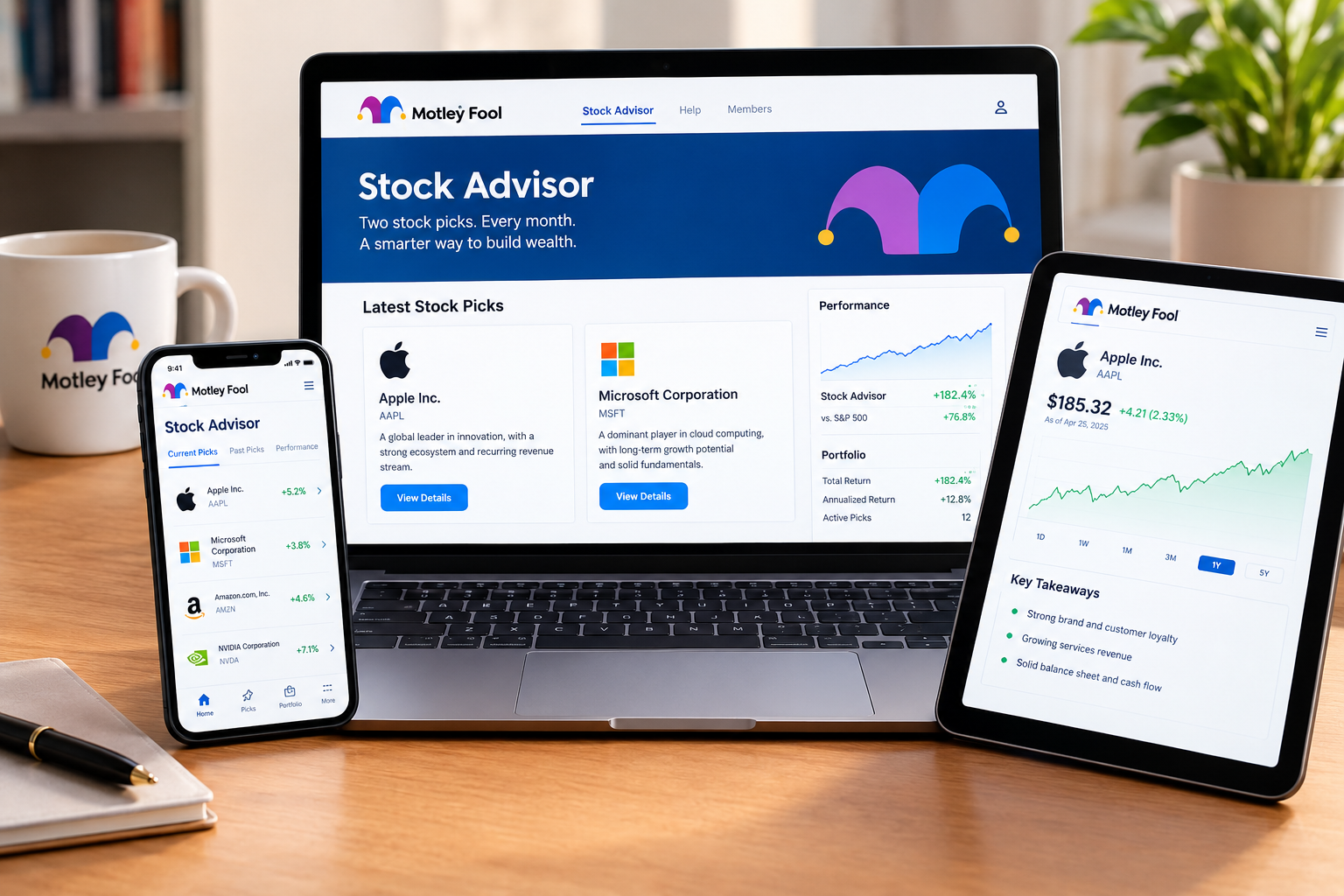
Search "Motley Fool Stock Advisor 10 best stocks Reddit" and the threads mostly land on the same conclusion: the service is a legitimate research subscription with a real 2002-onward public archive, and the "10 best stocks" you see in the ads is a ranked list of stocks already recommended inside the product, not ten secret new names. At $99 for year one and $199 on renewal, the math works if you actually buy and hold for five-plus years across 25 or more positions. It stops working if you subscribe expecting a signal service, ignore the picks, or get worn down by the upsell emails. Our Alpha Score: 69/100.
Searching "Motley Fool Stock Advisor 10 best stocks Reddit"? Key takeaways
These points pair FullStack Alpha desk research on the pricing page with the patterns that repeat whenever Stock Advisor comes up on Reddit.
- Price: $99 for the first year, then $199 a year at the current list price, billed annually, with a 30-day membership fee-back guarantee.
- Core deliverable: two new stock recommendations per month, plus the Top 10 Recommendations list and a Starter Stocks list for new accounts.
- The "10 best stocks": a ranked, refreshed shortlist drawn from stocks already in the active recommendation universe, not ten brand-new picks.
- House method: build toward 25 or more stocks and hold each for five years or longer. That instruction is the product, as much as the tickers are.
- Track record: Stock Advisor launched in 2002 and publishes its past picks and their returns. Those return figures are vendor-published, not independently audited.
- The most common Reddit complaint is not pick quality, it's marketing volume: upsell emails and paid pitches for other Motley Fool services.
- Alpha Score 69/100. The weakest pillars are Transparency at 13/20 and Community Verdict at 11/20. Both matter, and we say why below.
Stock Advisor on Reddit vs the ads: where the gap is
Most people typing "Motley Fool Stock Advisor 10 best stocks Reddit" into a search bar want one thing: an unfiltered check on the ad before they pay.
The gap between what Reddit says and what the ads say is the whole story here, so start with it.
The ads promise a list of ten stocks. Reddit, across r/stocks, r/investing, and r/Bogleheads, keeps pointing out the same thing: that list is a ranked subset of stocks Stock Advisor has already recommended, re-sorted by which ones the team would put fresh money into right now. Subscribe expecting ten undiscovered names and you'll feel misled. Subscribe expecting a monthly "where would I add money today" shortlist and you'll get exactly that.
That distinction changes the buying decision more than any performance claim. You're paying for a filter on an existing archive, plus two new ideas a month, plus a repeated instruction to stop trading. Whether that's worth $199 depends entirely on what you'd do without it.
The second thing Reddit gets right: the service is built for a very specific investor. Long horizon, growth tilt, tolerant of 40% drawdowns in individual names, adding money on a schedule. If that isn't you, the picks will feel wrong even when they're fine. 2022 is the reference point most threads reach for, when the high-growth end of the recommendation list took a serious beating and the forums filled with cancellations.
Practical takeaway: before you pay anything, write down how long you plan to hold your average stock. If the honest answer is under a year, this product and your behavior are pointed in opposite directions.
What is the Motley Fool "10 best stocks" list?
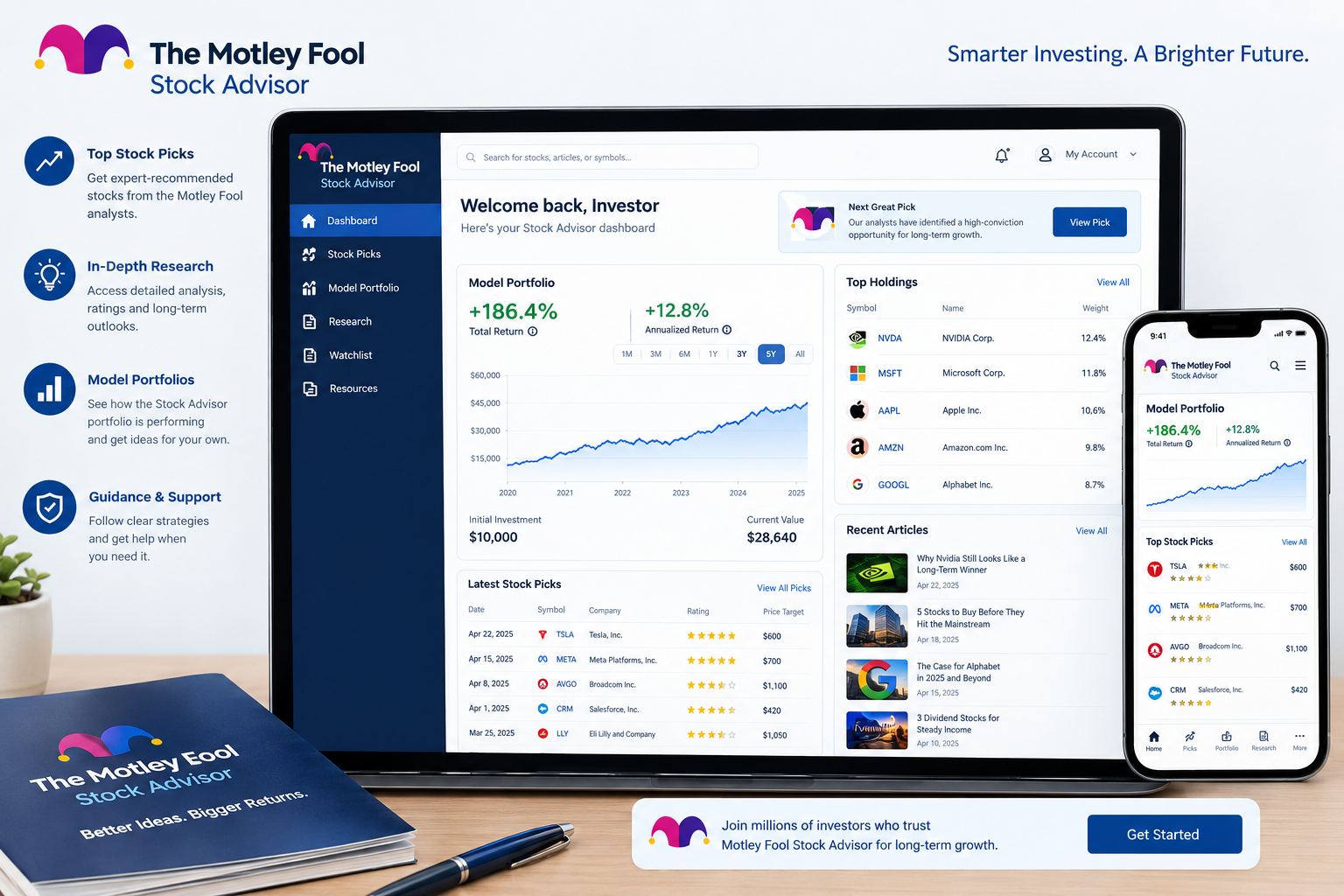
The "10 best stocks" is the Top 10 Recommendations list inside the Stock Advisor member dashboard: ten stocks, pulled from the service's existing active recommendations, ranked and refreshed on a regular cadence as the team's conviction and valuations shift.
Here's what's actually in the box when you log in:
- Two new recommendations a month. Released on a published schedule, each with a written thesis, the business case, the risks, and the reason the team thinks the horizon is long.
- Top 10 Recommendations. The list the ads reference. It overlaps heavily from one refresh to the next, which is the point if you believe in conviction, and irritating if you expected novelty.
- Starter Stocks. A shorter list aimed at people with an empty brokerage account who need a base before they touch anything speculative.
- The full archive. Every past recommendation, the date it went out, and its published return since. This is the part most subscribers underuse.
- Member content around the picks. Updates when a thesis changes, earnings commentary, and portfolio-construction guidance pushing the 25-stock, five-year framework.
The edge case worth naming: if you already own six of the ten, the list has told you nothing new this month. Some months the useful output is genuinely zero, and a service billed annually is allowed to have quiet months. Judge it over eight quarters, not eight weeks.
What does Reddit say about Motley Fool's 10 best stocks list?
Reddit's verdict splits cleanly along one line: people who understood the product before buying tend to keep it, and people who bought the ad copy tend to feel burned. That gap shows up over and over in the threads.
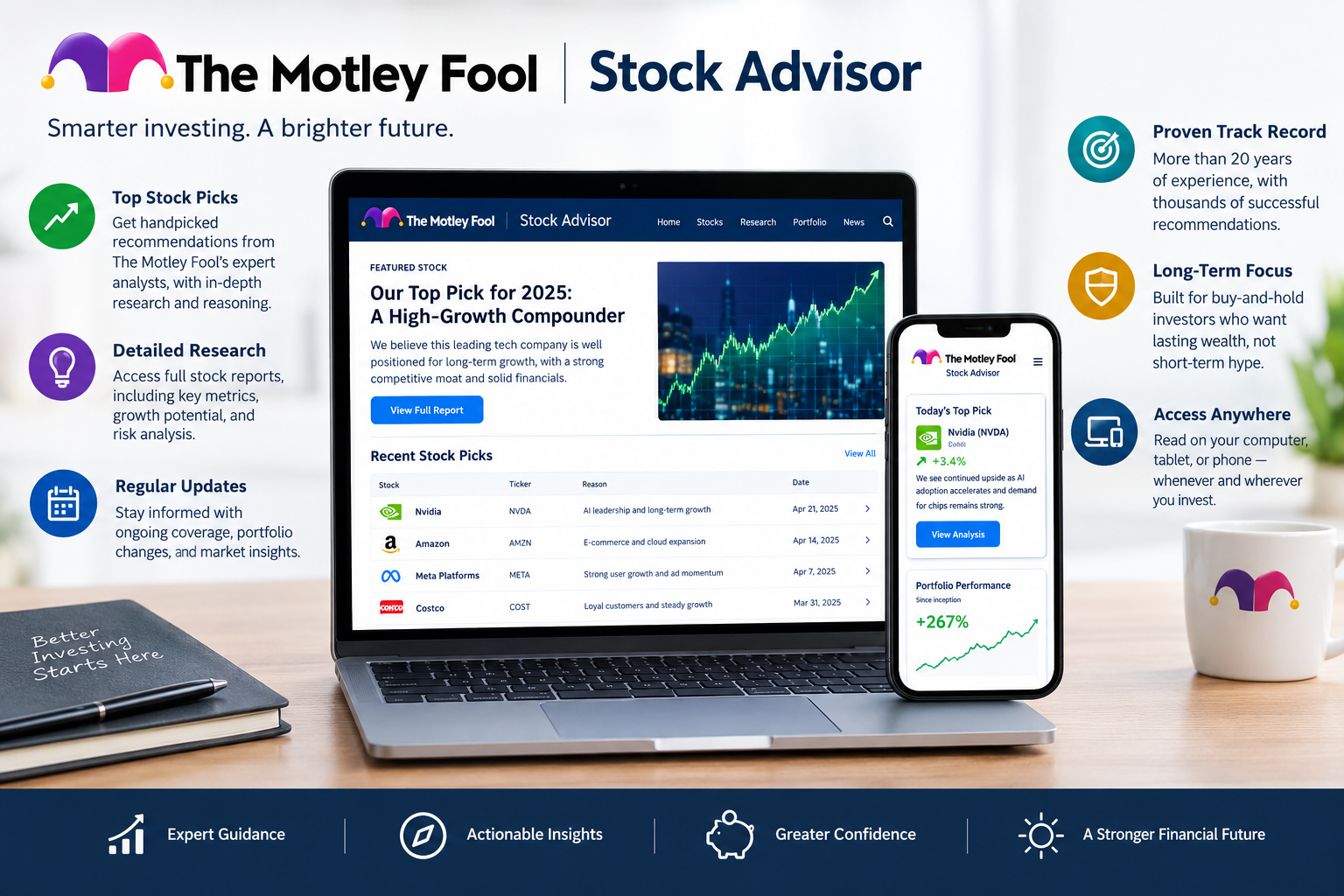
The recurring criticisms, stated plainly:
- "It's not ten new stocks." The single most common correction posted in reply to anyone asking about the ads. Fair, and worth knowing before you enter a card number.
- "The picks are widely held large caps you'd have found anyway." Partly true. A chunk of the list is names any retail investor could name in ten seconds. The counterargument the service makes is that knowing the ticker and holding it for seven years are different skills.
- "The published returns aren't apples to apples." Reddit is right to press here. Returns are measured from a recommendation date against a benchmark over the same window, self-reported by the publisher, and not independently audited. Treat them as vendor-published, because that's what they are.
- "The marketing never stops." This is the most emotionally charged complaint and the least disputed. Multiple threads describe the email cadence and the pitches for higher-priced services as the main reason they canceled, separate from performance.
- "It fell apart in 2022." A growth-heavy list of recommendations behaved like a growth-heavy list of recommendations in a rate-shock year. That isn't a scandal, but it does tell you the volatility you're signing up for.
Sentiment check, honestly: taken across Reddit, Trustpilot, and the solicited review sites, the picture is mixed at best. The solicited platforms read warmer. The unsolicited threads read cooler, and skew toward billing, renewal pricing, and email volume rather than the research itself. That gap is the finding, and it's why our Community Verdict pillar sits at 11/20 rather than somewhere comfortable.
Where does Reddit praise Stock Advisor, and where does it push back?
Reddit's praise is narrower than the marketing and more specific than the criticism, which usually means it's real.
What long-term members actually credit it for:
- Behavioral scaffolding. The repeated "hold five years, own 25 names, add regularly" message stops people from revenge trading their way through a bad quarter. Several threads describe the subscription as an anti-panic device more than an idea generator.
- The written theses. The reason a stock is on the list, in plain English, at reasonable length. Good for investors who want to learn how a case gets built rather than just receive a ticker.
- A starting point for an empty account. Starter Stocks solves a real problem: analysis paralysis at the moment of the first purchase.
- Price relative to what it replaces. At $99 to start, it costs less than one bad panic sale.
Where the pushback is legitimate:
- Method opacity. You get the conclusion and the narrative, not the screening process, the valuation model, or the position-sizing math behind the ranking. There's no published quantitative framework you could reproduce. That is a real transparency gap for a subscription-priced research product, and it's the reason Transparency scores 13/20.
- Renewal shock. Year one at $99 renews near $199. People forget, and the refund window is 30 days from purchase.
- Upsell fatigue. Buying the entry product puts you on the list for the expensive ones. Budget for the noise, or set up an email filter on day one.
- No risk framework attached to the picks. No stop loss guidance, no target exits, no sizing rules beyond "diversify." For buy-and-hold that's defensible. For anyone who wants defined risk per position, it's a blank space you have to fill yourself.
Decision rule: if the thing you need is discipline, this helps. If the thing you need is a transparent, testable model you can audit, look at a factor-based tool instead. Our AI stock picker guide covers that category.
What Stock Advisor members get vs what Reddit says
Each row lines up a Stock Advisor feature against the most common Reddit take, so you can see where the marketing and the members agree and where they split.
| Feature | What Motley Fool promises | The common Reddit take |
|---|---|---|
| "10 best stocks" list | A ranked shortlist of the team's highest-conviction buys right now | A re-sort of existing recommendations, not ten new names. Heavy month-to-month overlap |
| Two new picks per month | Fresh, researched, long-horizon recommendations on a set schedule | Generally solid write-ups. Growth-tilted, and some months you already own the name |
| Published track record since 2002 | Two decades of picks and returns, openly displayed | Real archive, real value, but self-reported and not independently audited |
| Starter Stocks | A simple base for new investors | The most genuinely useful feature for beginners, and the least advertised |
| Buy-and-hold framing | 25+ stocks, five-year minimum holds | Widely praised as the actual product. The behavior change beats the tickers |
| $99 first year | Low-friction entry with a 30-day fee-back guarantee | Fine value in year one. The $199 renewal is where complaints cluster |
| Member communications | Updates, guidance, and new research | Too many promotional emails for other services. Top cancellation reason cited |
| Methodology | Long-term business quality, founder-led companies, durable growth | Narrative, not disclosed process. You can't reproduce the ranking yourself |
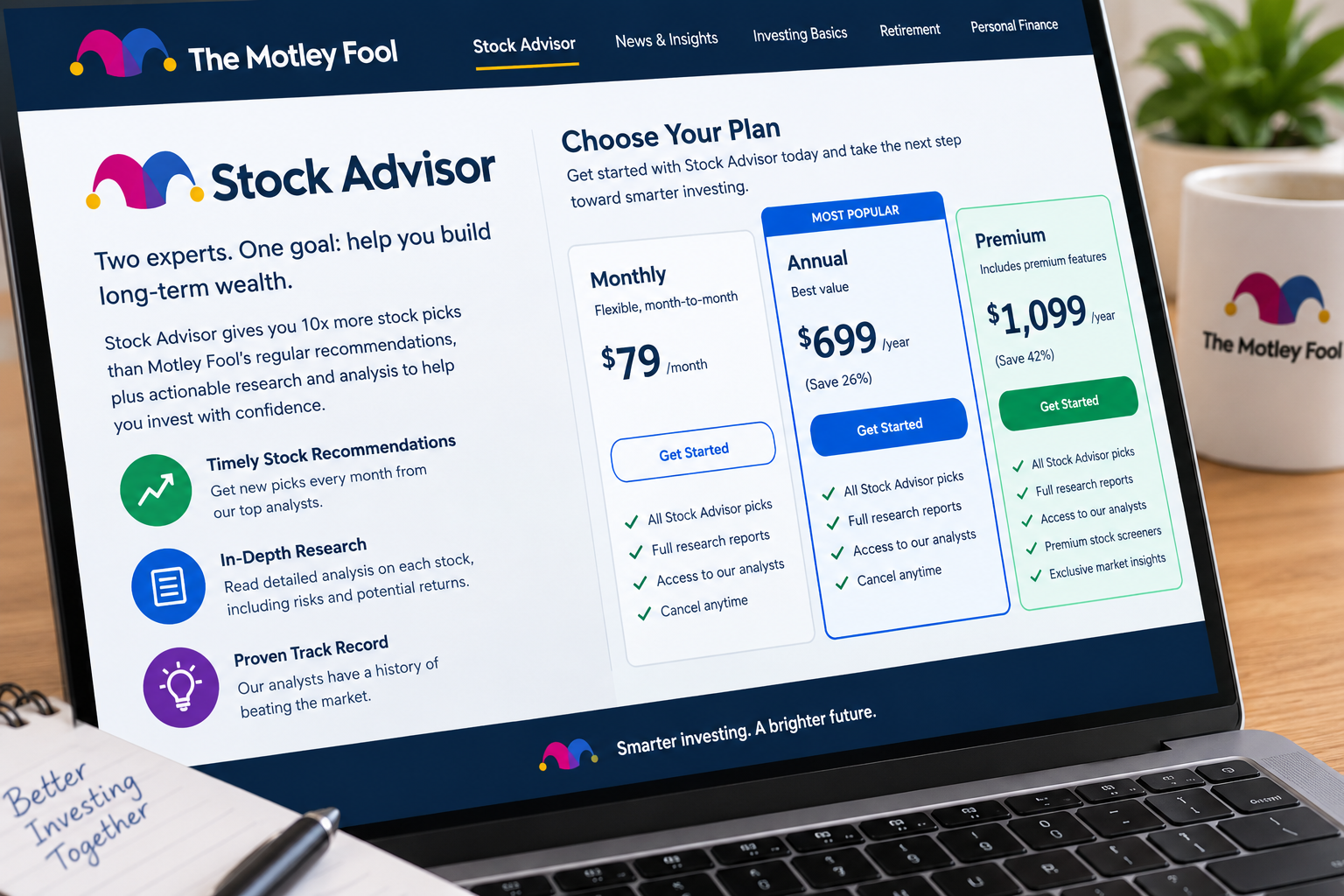
Is Stock Advisor worth $199 a year for long-term investors?
Yes, conditionally: if your portfolio is at least $20,000 and you genuinely hold for years, $199 is about 1% of a $20,000 account and roughly 0.2% of a $100,000 account, which is a defensible research line item. Below about $10,000 invested, the subscription is an outsized percentage of your capital and the free alternatives do enough.
Run the arithmetic rather than the vibes:
- $5,000 portfolio: $199 is 4% a year in pure cost before a single trade. Hard to justify. Read free material, build the base, revisit later.
- $25,000 portfolio: $199 is 0.8%. Reasonable, if the subscription is actually changing what you buy and how long you hold it.
- $100,000 portfolio: $199 is 0.2%. Cheap relative to almost any advisor arrangement, assuming you use it.
- Year one at $99: halve all of the above. This is the honest window to test it in.
The value test isn't "did the picks beat the index." You can't know that in twelve months, and anyone who tells you otherwise is selling something. The value test is whether you made fewer unforced errors. Did you stop selling on red days? Did you add positions instead of concentrating into one story stock? Did you hold something through a 30% drawdown because you'd read the thesis and it still held?
Common mistake: subscribing, buying all ten names at once with money you'll need in eighteen months, then canceling in a drawdown. That's a sequencing failure, not a product failure. Add positions on a schedule, size them so no single name can wreck you, and let the horizon do the work. Process over prediction.
Top 5 Motley Fool Stock Advisor features
The five things that actually carry the subscription, ranked by how much work each one does.
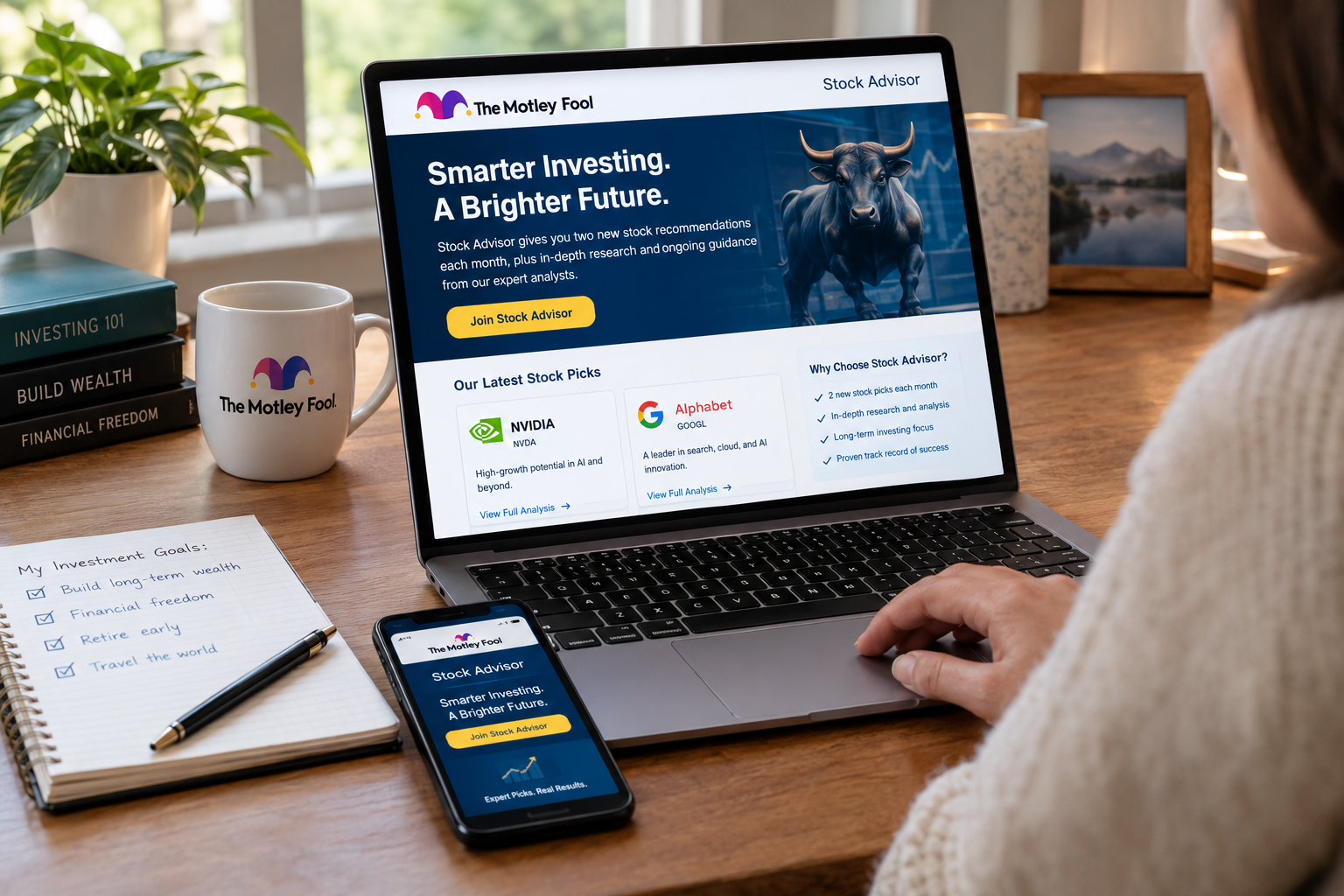
1. The full recommendation archive (2002 to now)
The most underrated part of the product. Every past pick, dated, with its published return. Read the theses that aged badly next to the ones that compounded and you get a free education in what durable-business reasoning looks like when it works and when it doesn't. Most members never open it.
2. Two new recommendations a month
Twenty-four researched ideas a year, each with a stated business case and named risks. This is a reasonable, non-frantic cadence. It's not built for reacting to earnings season, and it shouldn't be.
3. Top 10 Recommendations
The ranked "add money here now" shortlist. Best used as a tiebreaker when you already have cash to deploy and no strong view. Worst used as a ten-stock portfolio bought in a single afternoon.
4. Starter Stocks
A short, deliberately boring base list for someone with an empty account. If you're 24 with $3,000 and nine open browser tabs, this is the feature that earns your first year.
5. The portfolio framework
25 or more positions, five years or longer, add regularly. Repeated relentlessly across the member content. It's unglamorous and it's the reason members who stay tend to do better than the ones who churn.
What's missing: no position sizing math, no exit rules, no downside plan per name, no screener you can run yourself. You are getting research and a philosophy, not a system with defined risk.
What does the first 30 days actually look like?
You'll get something usable on day one and you'll be annoyed by the emails by day five. Both are true.
A realistic first month:
- Day 1: Log in, read the Starter Stocks list and the Top 10. Don't buy anything yet.
- Day 1 to 3: Read three theses in full, including one from the archive that went badly. You're calibrating the analysts' reasoning, not shopping.
- Day 3: Set an email filter. The promotional volume for other Motley Fool services is the single most cited irritation among members, and a filter removes it as an issue permanently.
- Week 1: Open positions in two or three names at a size you'd be comfortable holding through a 40% drawdown. Not ten at once.
- Week 2 to 4: Note the two new picks as they land. Watch how the write-ups handle risk, not just upside.
- Day 28: Decide. The membership fee-back guarantee runs 30 days from purchase, so this is the last honest checkpoint before the year is yours.
The interface itself is clean and the reading experience is easy, which is why Usability scores 16/20. Nothing here takes three weeks to configure. If anything, it's simpler than people expect after the ad funnel.
Pros and cons: the honest assessment
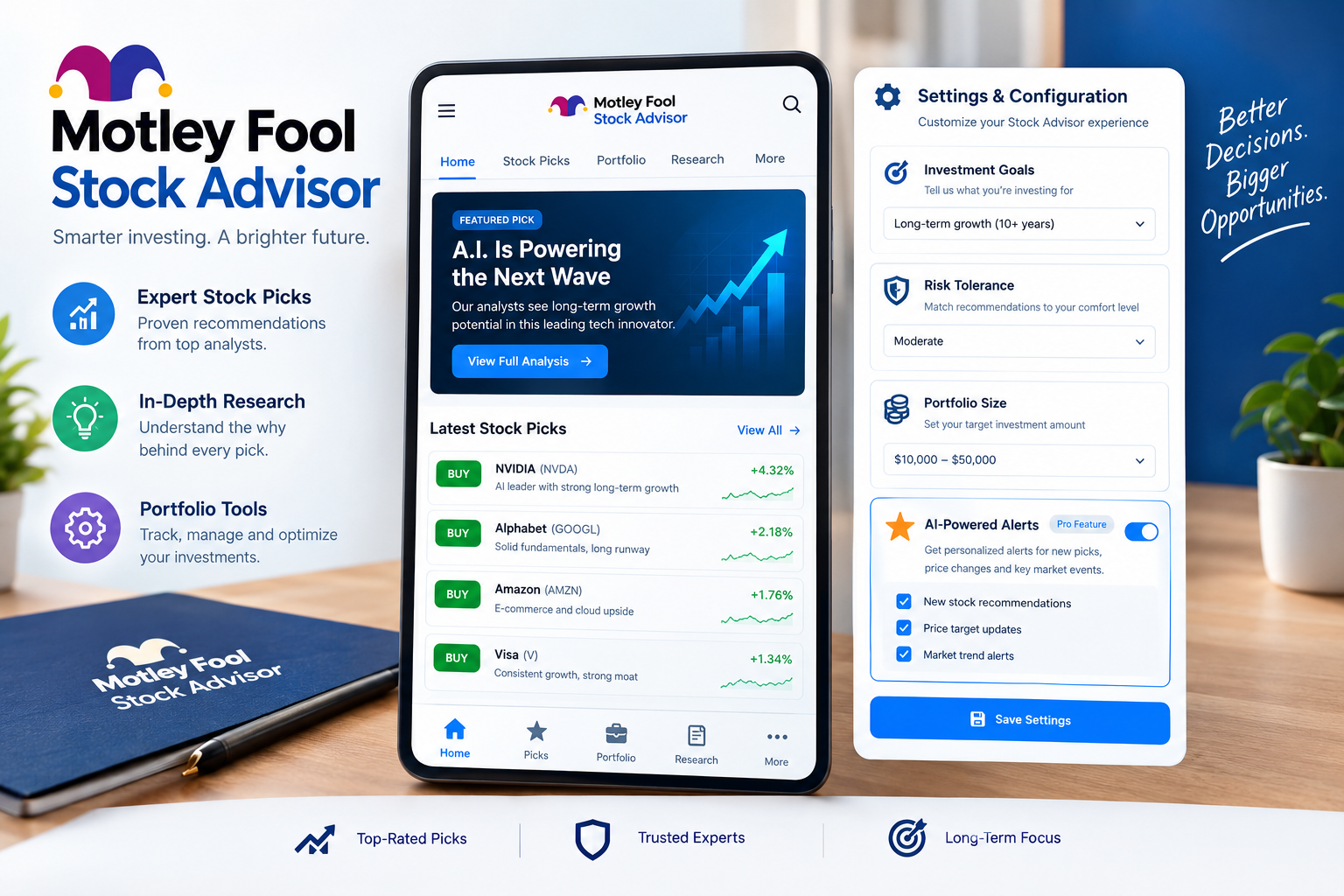
✅ What we love
- $99 entry price with a 30-day fee-back guarantee makes testing it genuinely low-risk.
- A public archive going back to 2002. Very few subscription publishers leave their misses visible.
- Written theses you can argue with. Reasoning you can evaluate beats a ticker in an alert.
- Starter Stocks is the cleanest answer to "I have money and no idea where to begin" we've seen in a paid newsletter.
- The buy-and-hold framing discourages overtrading, which is where most retail damage actually happens.
❌ What could be better
- The $199 renewal is double the introductory price, and refunds outside the 30-day window are limited.
- Heavy upsell marketing for other Motley Fool services. Named by more canceling members than any performance issue.
- Thin methodology disclosure. No published, reproducible ranking process behind the Top 10.
- Self-reported performance figures. Not independently audited, and the benchmarks deserve scrutiny.
- Growth concentration means real volatility. 2022 was ugly for this style and nothing guarantees a repeat won't happen.
- No risk management layer. No sizing rules, no exits, nothing that tells you what to do when a thesis breaks.
Who should buy it, and who should skip it?
Buy it if you fit this profile: you have at least $10,000 to $20,000 to invest, you're adding money monthly or quarterly, you intend to hold positions for five years or more, and you know you need help not touching things. Beginners with a real savings habit get the most out of it, because Starter Stocks plus the hold-longer message is the exact intervention they need.
Skip it if any of these apply:
- You're a day or swing trader. There is nothing here for you. No intraday data, no setups, no price action work, no stop loss framework. You'd be paying $199 for reading material you won't use. Start with a scanner instead.
- You're fully passive. If you own three index funds and never look, individual stock picks add work and risk you didn't ask for.
- Your portfolio is under $5,000. The cost ratio is bad and free material will carry you for now.
- You want to audit the model. The process isn't published. If reproducibility is your standard, this will frustrate you every month.
- You can't tolerate volatility. A growth-tilted list will hand you names down 40% at some point. If that makes you sell, the subscription becomes an expensive way to buy high and sell low.
How to get the best deal on Stock Advisor
Take the $99 first-year price, use the 30-day window as an actual evaluation period, and put the renewal date in your calendar the same day you subscribe.
- Never pay list on year one. The $99 introductory rate for new members is the standard entry point. If you're seeing $199 as a first-time buyer, you're on the wrong page.
- Understand what renews. Introductory pricing renews at the then-current list price, typically $199 a year. Assume it, plan for it, decide before it hits.
- Use the guarantee properly. 30 days is enough time to read ten theses and judge the quality of thinking. It is not enough time to judge performance. Evaluate the research, not the P&L.
- Set a calendar reminder for day 25. This is the highest-value thing you can do in the entire purchase.
- Don't stack subscriptions. The upsell to higher-priced services will arrive. One research product used properly beats three ignored ones.
- Annual billing only. There's no prominently advertised monthly plan for Stock Advisor, so treat this as a one-year commitment with a 30-day out.
Full scoring details are in our Motley Fool Stock Advisor review, and our scoring method explains how the pillars are weighted.
What are the best Motley Fool Stock Advisor alternatives?
Four services cover the same job in different ways. List prices in this category move around, usually landing somewhere between $200 and $400 a year, so check current pricing before you commit. What matters more is which question each one answers.
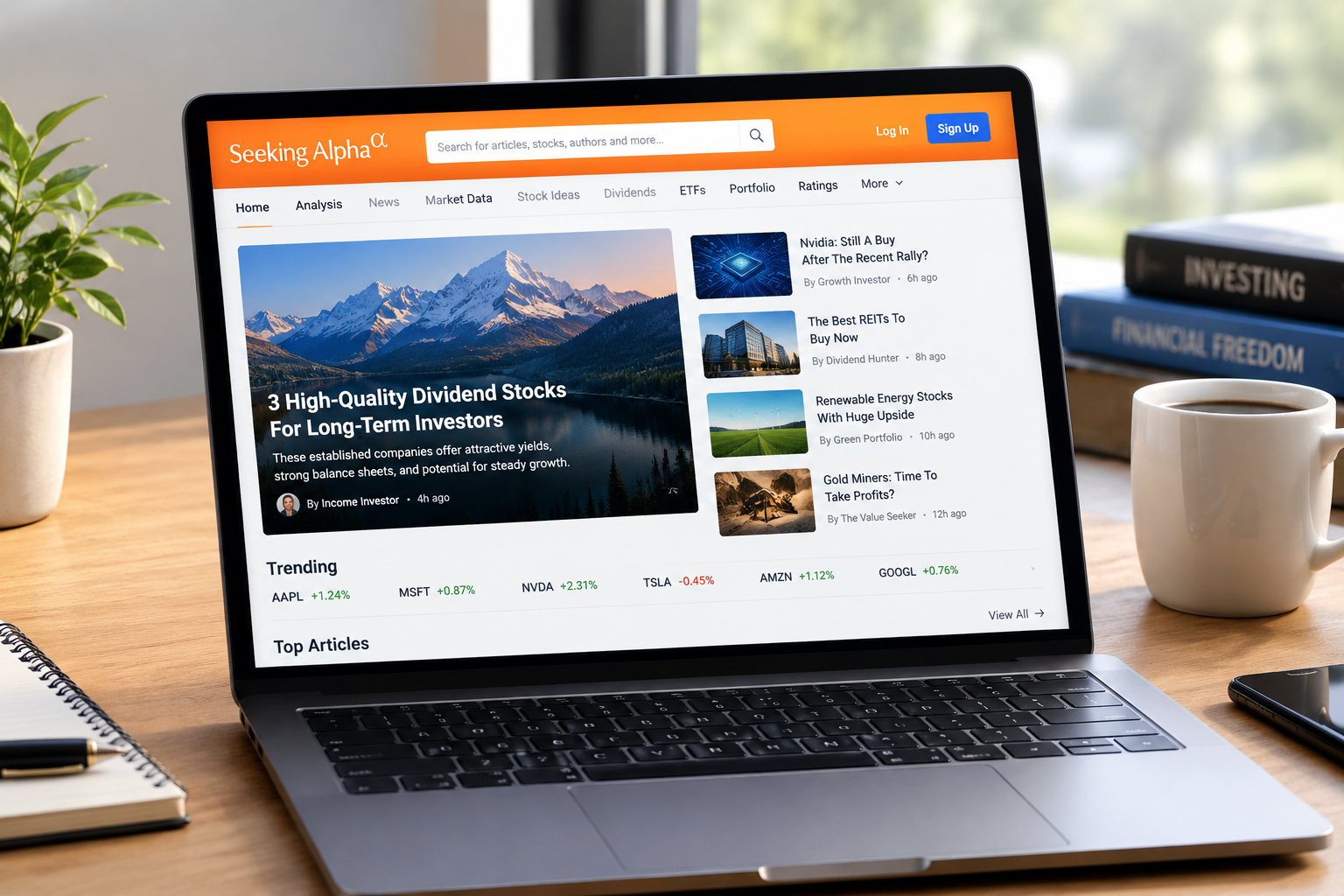
Seeking Alpha suits the investor who wants many opinions instead of one house view, plus quant ratings and crowd-sourced analysis on nearly every ticker. Best if you already have your own thesis and want to stress-test it. Worst if you want a clear answer, because you'll get forty conflicting ones. See the Seeking Alpha review and the Seeking Alpha vs Motley Fool comparison.
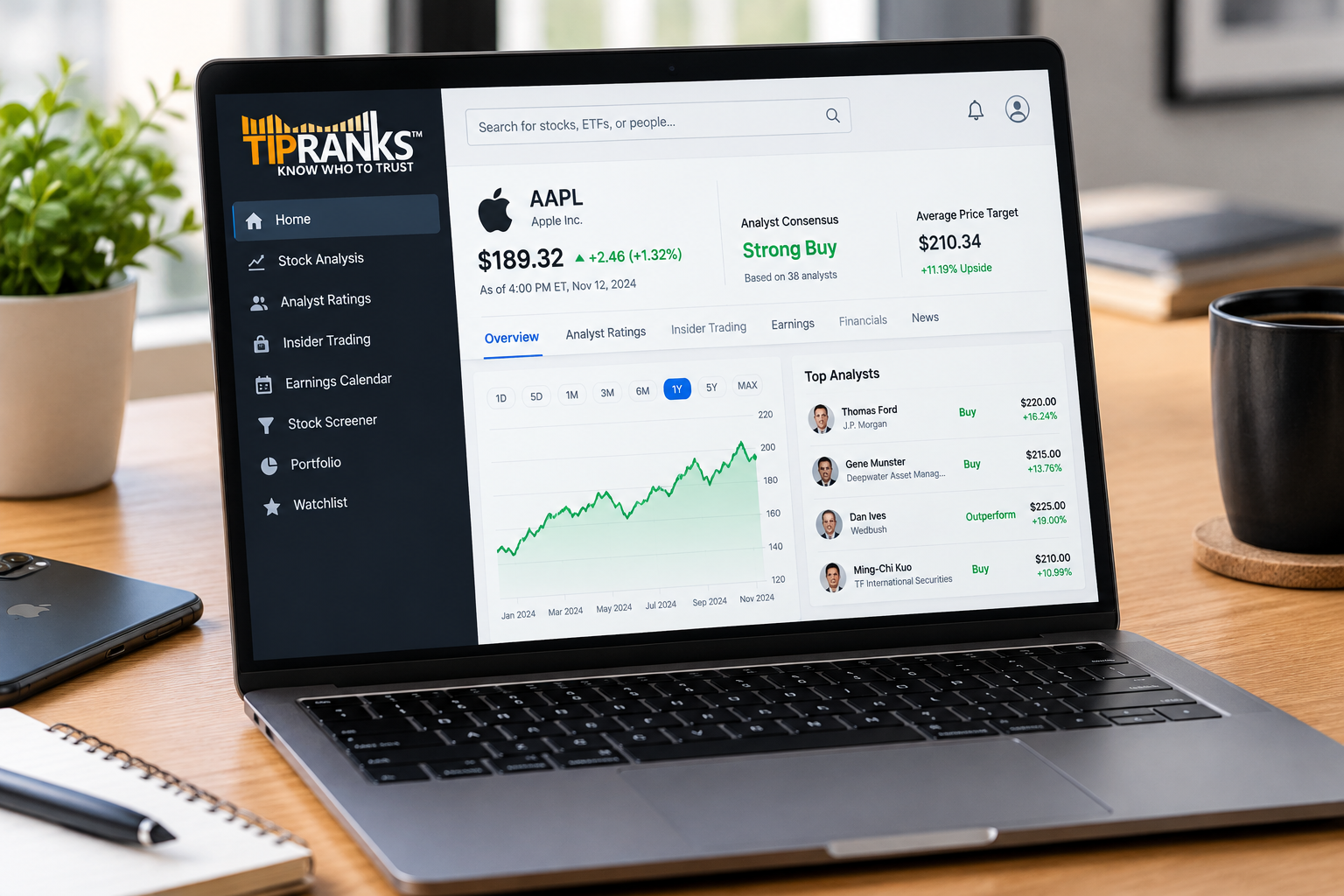
TipRanks suits the investor who wants to know who's right, not just what they said. It scores analysts and insiders on their actual accuracy and aggregates price targets. Best as a second opinion layer on top of your own list. Weakest as a primary idea generator, since target aggregation tends to lag the news.
Zacks suits the investor who trusts earnings estimate revisions as a signal. Its rank system is rules-based and quantitative, which makes it the closest thing here to a reproducible process. Best for mechanical, numbers-first investors. Worst for anyone who wants a narrative explaining why a business will still exist in 2036.
Morningstar Investor suits the valuation-first, downside-aware investor. Fair value estimates, moat ratings, and analyst reports written in a deliberately unexcited tone. Best for people building around dividend payers and quality compounders. Worst for growth hunting, since the valuation discipline will keep you out of the fastest names.
Choose Stock Advisor over all four if your problem is behavioral rather than informational. Choose Zacks or Morningstar if you want a disclosed, testable framework. Choose Seeking Alpha or TipRanks if you already generate your own ideas and need a second set of eyes.
The Alpha Score Breakdown
Motley Fool Stock Advisor scores 69 out of 100 across five pillars, 20 points each.
| Pillar | Score |
|---|---|
| Signal Quality | 15 / 20 |
| Transparency | 13 / 20 |
| Price-to-Value | 14 / 20 |
| Usability | 16 / 20 |
| Community Verdict | 11 / 20 |
| Total | 69 / 100 |
Signal Quality, 15/20. A real, dated, publicly visible recommendation history going back to 2002 is more than most publishers offer. The scores stop short of higher because the returns are self-reported, the style is heavily growth-weighted, and the Top 10 recycles.
Transparency, 13/20. Critical. You can read the conclusion and the story. You cannot see the screen, the valuation work, or the ranking logic. "Long-term business quality" is a philosophy, not a disclosed method.
Price-to-Value, 14/20. Good at $99, thinner at $199, and the doubling on renewal is the catch that drives most of the billing complaints.
Usability, 16/20. Clean, readable, fast time to something useful. Strongest pillar.
Community Verdict, 11/20. Critical. Unsolicited Reddit discussion runs mixed to negative, clustering on email volume, renewal pricing, and the gap between the ads and the product. Solicited review platforms read warmer. That gap is the finding, and we're not averaging it away.
The score comes from FullStack Alpha desk research plus public user sentiment, and the pillar split is provisional.
Weighing Stock Advisor against other research tools? Browse the FullStack Alpha directory and filter 200+ tools by category, price and what they actually do.
FAQ: Motley Fool's 10 best stocks and Reddit's take
Short answers to the questions that come up most when Motley Fool's 10 best stocks list gets discussed on Reddit.
Is the Motley Fool "10 best stocks" list actually ten new stocks?
No. It's the Top 10 Recommendations list, a ranked shortlist drawn from stocks Stock Advisor has already recommended, refreshed periodically. The ad wording implies novelty the list doesn't have.
How much does Motley Fool Stock Advisor cost in 2026?
$199 a year at standard list price, with a $99 introductory rate for new members in year one. Billing is annual and annual memberships carry a 30-day membership fee-back guarantee.
Does Stock Advisor have a monthly plan?
No monthly plan is prominently advertised for Stock Advisor on the current Motley Fool site. Subscriptions are primarily billed annually.
Can I cancel and get a refund?
Annual memberships include a 30-day fee-back guarantee from purchase. After that window, refund options are limited, so treat day 25 as your decision deadline.
Are the published Stock Advisor returns audited?
No. They're published by The Motley Fool and measured from each recommendation date. Treat them as vendor-reported figures, not third-party verified performance.
How many stocks should I own if I follow Stock Advisor?
The house guidance is 25 or more positions held five years or longer. Buying only the ten names on the Top 10 list leaves you more concentrated than the service itself recommends.
Is Stock Advisor good for day traders or swing traders?
No. There's no intraday data, no technical analysis, no entry and exit rules, and no stop loss framework. It's built for multi-year holds.
What's the single most common Reddit complaint?
Promotional email volume and upsell pitches for other Motley Fool services, cited more often than any issue with the research itself. An email filter on day one removes most of the friction.
Is Stock Advisor on Reddit mostly positive or negative?
Mixed. Solicited review platforms read warmer, while unsolicited Reddit threads run cooler and cluster on email volume, renewal pricing and the gap between the ads and the product.
Does Reddit think Motley Fool's 10 best stocks are worth following?
Threads mostly treat the list as a re-sort of existing recommendations, useful as a tiebreaker when you have cash to deploy. It is not a ten-stock portfolio to buy in one afternoon.
Why do people cancel Stock Advisor, according to Reddit?
Upsell email volume and the jump from $99 to $199 on renewal come up more often than pick quality. The 2022 drawdown in growth names is the other common trigger.
What are Motley Fool's current 10 best stocks?
The current list sits inside the Stock Advisor member dashboard as the Top 10 Recommendations, and we do not republish it. It is a ranked shortlist drawn from stocks already recommended, refreshed as conviction and valuations shift, so any copy floating around may already be out of date.
What are Motley Fool's 10 stock picks for 2026?
There is no fixed ten-stock list locked for the whole year. Members get two new recommendations a month plus a Top 10 that is refreshed on a regular cadence, so the names can change during 2026.
What are the best 10 stocks to buy right now?
Nobody can know that in advance, and anyone who claims to is selling something. If you use Stock Advisor, treat the Top 10 as a tiebreaker for new cash, add positions on a schedule, and build toward the 25-stock, five-year framework instead of buying ten names in one afternoon.
Final verdict on Motley Fool's 10 best stocks
Motley Fool's 10 best stocks list is a filter on an existing archive, so the verdict depends on whether you need that filter.
For the long-term buy-and-hold investor with $20,000 or more and a five-year horizon: worth the $99 first year, probably worth $199 after that, provided you use the archive and the framework rather than just skimming tickers. The behavioral guardrails are the product. The picks are the packaging.
For the beginner with a real savings habit and under $10,000: take the first year at $99, use Starter Stocks, then decide honestly at renewal whether it changed your behavior. If it didn't, leave.
For day traders and swing traders: skip it entirely. Wrong timeframe, wrong tooling, wrong sport.
For the investor who needs to audit a model: skip it. Transparency at 13/20 means you're trusting judgment you can't inspect, and if that bothers you today it'll bother you every month.
For passive index investors: skip it. You've already solved the problem this is trying to solve.
69/100 is a real score, not a polite one. Two pillars sit below 14, and the honest read is proceed with clear eyes: good research, easy to use, priced fairly in year one, wrapped in marketing that a lot of members find exhausting and a methodology you can't verify.
Your next step: if you're subscribing, set a calendar reminder for day 25 of your membership right now, before you read a single pick. That one action is worth more than any stock on the list. Cut the noise, keep the alpha.
One tool, scored five ways. There are 200+ more in the FullStack Alpha directory, filterable by category, price and what they actually do.
Browse the directory → aistockpickerapps.com
Related reading: the full review index and tool comparisons.
Some links on this page are affiliate links, and FullStack Alpha may earn a commission at no extra cost to you.
We test the tools. You get the verdict.
One email a week. What we tested, what scored, and what we'd skip. Written for traders, not for clicks.
More from FullStack Alpha